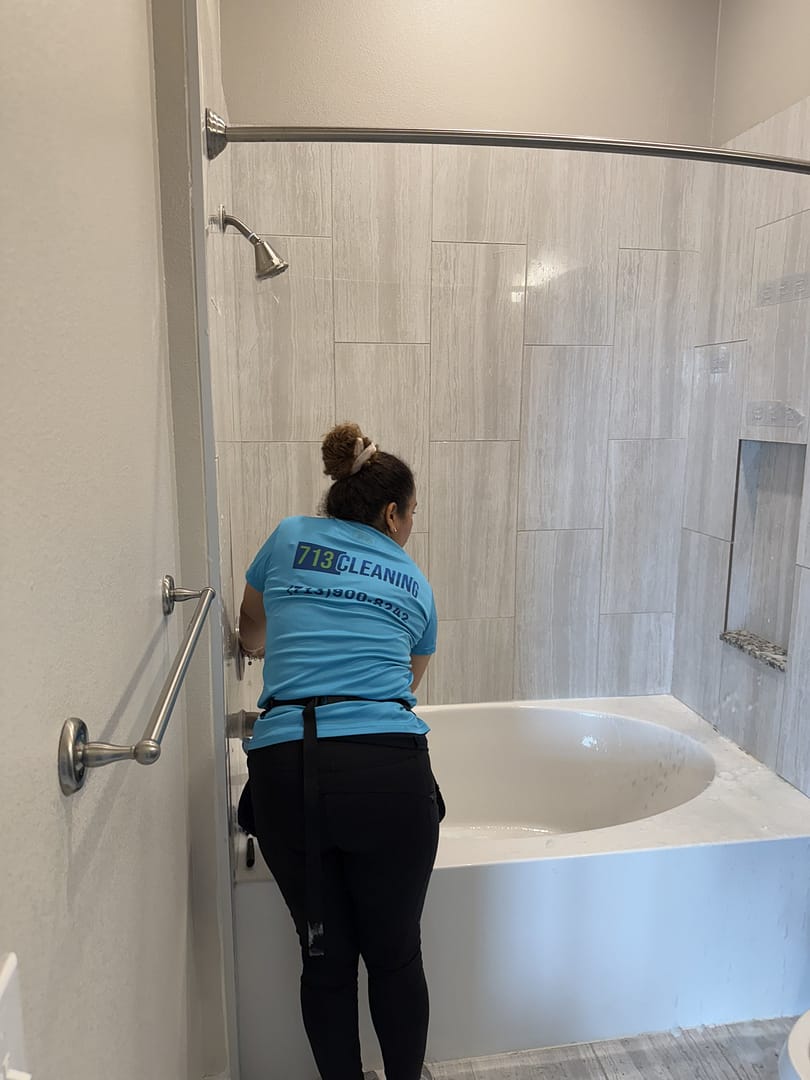
House cleaning with pets comes down to six habits: brush the pet, not the sofa; vacuum floors on a rhythm; keep a washable layer on the furniture; wash the beds hot; chase odor to its source; and clean the air path — the filter, the return grille, a damp cloth. For everyday hair and odor, that’s the whole job.
I have three small kids, so I know what it is to clean around creatures who shed things everywhere — and for eleven years my crews have cleaned Houston and Katy homes with a dog at the door and a cat on the stairs. Here is the version that actually holds up in a busy house — and, since I run a cleaning company, where the line sits between your habits and what a crew does.
Key Takeaways
| Question | Short answer |
|---|---|
| What matters most? | Where the hair and dander come from, not where they land. Brushing outside, a washable throw on the sofa, and a weekly hot wash of the pet’s bed do more than any product. |
| How often should a pet home be cleaned? | Floors weekly — the crew’s job if you book — and the pet’s bed, bowls and box weekly, which stay yours. In my experience a multi-pet home is a weekly home, not a biweekly one. |
| Why does it still feel dusty after I vacuum? | Because the problem is dander, not hair. It is fine enough to float, settle and float again — a damp cloth and a filtered vacuum are the two things that take it out instead of moving it. |
| What about the smell? | Find the source: the pet, the bedding, the box, a spot. Cleaning the room around a wet spot doesn’t touch it. |
| What can’t a cleaning fix? | Set-in urine in carpet padding, scratched floors, and anything the crew is not allowed to touch — animal waste is off every checklist for health reasons. |
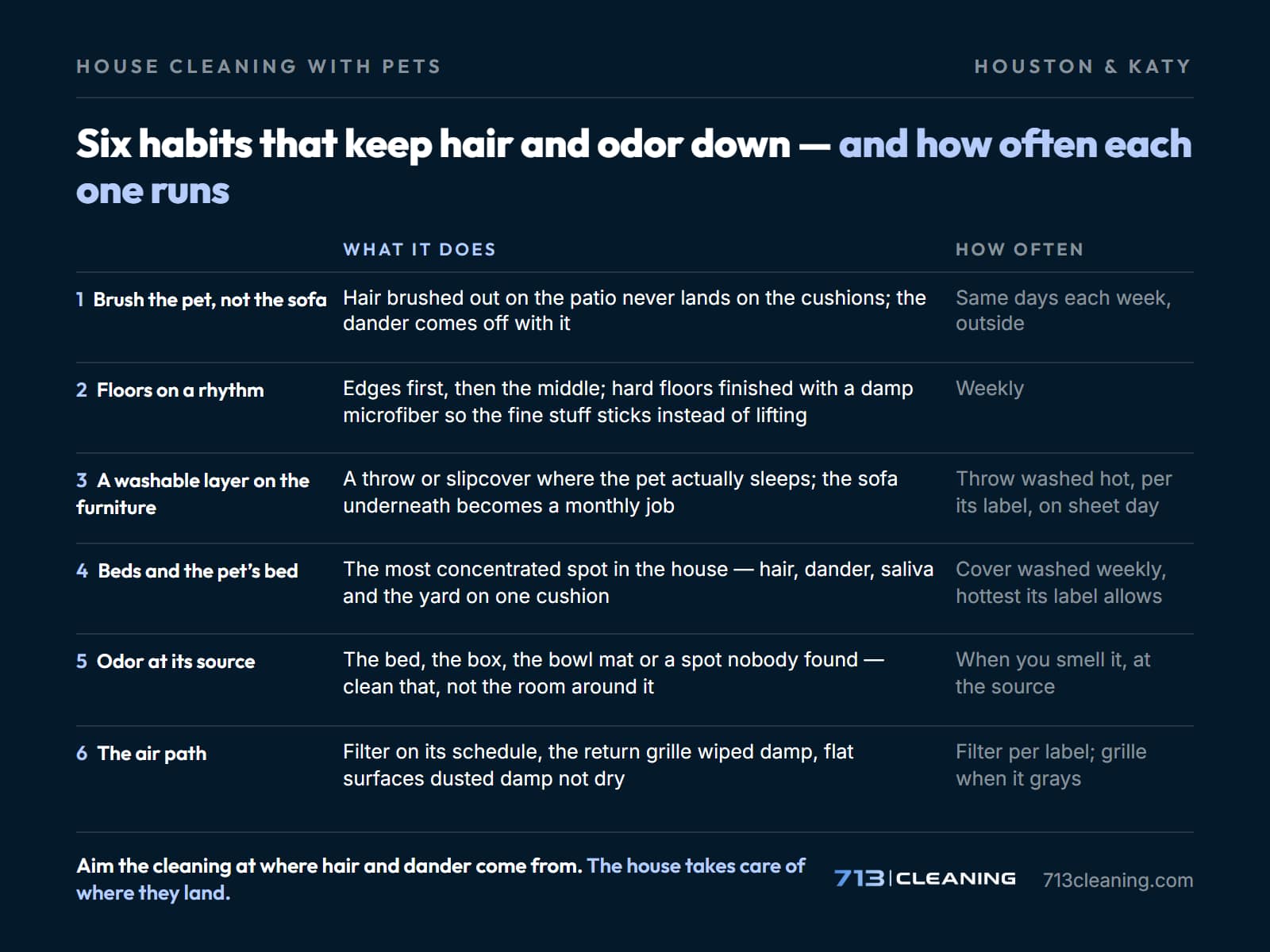
House Cleaning With Pets: The Six Habits That Do the Work
A pet home does not need a different cleaning; it needs the same cleaning aimed at two things — hair and dander on the surfaces, and odor at its source. These six habits cover both, and they work as habits, not as a rescue clean.
1. Brush the pet, not the sofa
Hair you brush out on the patio never lands on the cushions. A few passes with the brush your groomer or vet recommends for the coat, outside, on the same days each week, and the vacuum has less to do everywhere else. The AAFA’s advice is to have someone without a pet allergy do the brushing, and to do it outside — the dander comes off with the fur.
2. Floors on a rhythm, edges included
Hair collects where the air moves it — along baseboards, under the edge of the sofa, on the stair treads. A vacuum pass down the middle of the room misses all three. Do the edges first, then the middle, and finish hard floors with a barely damp microfiber mop — as little water as the floor’s finish allows; wood and stone want the least — so the fine stuff sticks to the cloth instead of lifting into the air.
3. A washable layer on the furniture
The easiest sofa to clean is the one the pet never touches, and the second-easiest is the one with a throw on it. Put a washable throw or slipcover where the dog actually sleeps, wash it on the hottest setting its label allows on the same day as the sheets, and the sofa underneath stays a monthly job instead of a daily one. For what’s already on the fabric, how to get pet hair off furniture and floors walks through the five tools that work, in order.
4. Beds, bedding and the pet’s bed
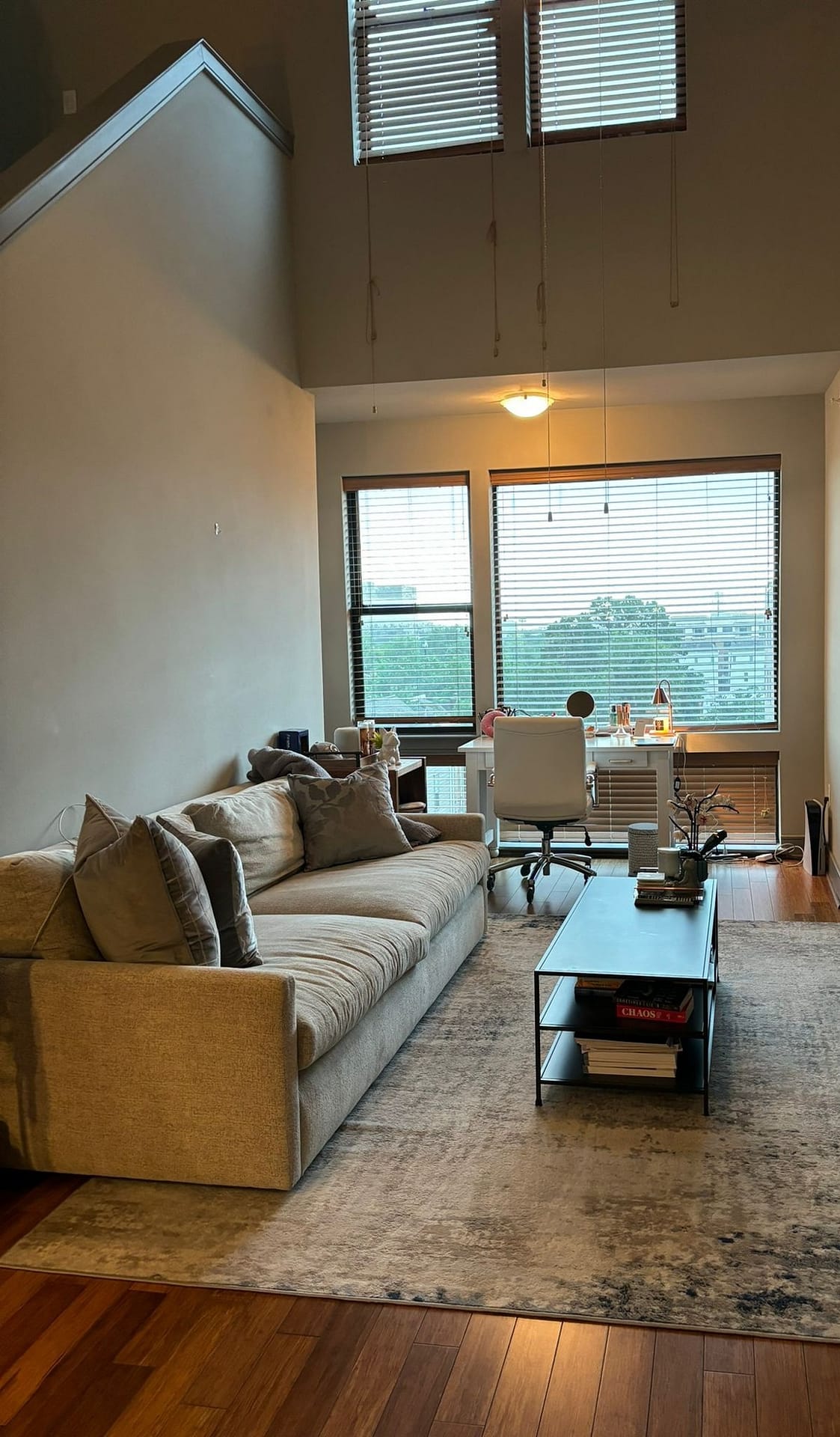
The pet’s bed is the most concentrated spot in the house — hair, dander, saliva and whatever came in from the yard. Wash the cover every week on the hottest setting its label allows, as its own load, and vacuum the bed itself on your floor day — no cleaning checklist covers a pet bed, so this one is always yours. If the dog sleeps on your bed, that habit moves to your bedding.
5. Odor at its source
A pet smell is usually a location — the bed, the litter box, the food-bowl mat, a spot on the carpet that nobody found — or the animal itself, which is the vet’s department. Cleaning the room around a spot doesn’t touch it, and spraying over it masks it rather than removing it. Find the source, clean that, and stop there — the whole method is in how to get rid of pet odor, including the part where cleaning can’t help.
6. The air path: filter, return grille, damp cloth
Dander is light enough to travel through the house on the AC, and in Houston the AC runs most of the year. Change the filter on the schedule the filter says, wipe the return-air grille with a damp cloth when you notice it graying, and dust flat surfaces damp rather than dry. That last habit is the one people skip, and it is the one the AAFA specifically names.
If You Book a Cleaning: The Pet Plan, and Where the Line Sits
The first thing I tell every new client with a pet is the same thing: put the animal somewhere safe and comfortable before the crew arrives. The rest of the plan is short.
- Where the pet goes: a closed room with water and a bed, a crate if the dog is crate-trained, or the backyard if the weather allows. A crew moves through every room with doors open, vacuums running and supplies out — a loose, anxious dog and a cleaner carrying a bucket don’t mix, and a cat will find the one open door.
- Tell us in advance: an anxious or reactive animal, a room the pet stays in, a gate that has to stay latched. A note on the booking beats a conversation at the door.
- Accidents before the visit: a fresh accident is yours to remove before the crew works that room — both published checklists exclude animal waste for health and safety — and once the spot is cleaned and dry, the crew works the room as usual.
- Feeding, walking, litter: not part of any visit. The crew cleans the house; it doesn’t manage the animal.
Where the line sits:
| In a pet home | Whose job |
|---|---|
| Brushing, the throw, the pet’s bed, bowls, the litter box | Yours — none of it is on any cleaning checklist |
| Carpets and rugs vacuumed, hard floors vacuumed and mopped, furniture dusted, baseboards dusted, wastebaskets emptied | The crew, every visit, from the published regular cleaning checklist |
| Hair on the sofa cushions | Yours — the crew straightens cushions; upholstery isn’t a checklist line |
| AC vents and return-air grilles wiped, baseboards hand-wiped and scrubbed | The deep clean (baseboards are also a regular add-on), not the standard visit |
| Animal urine, feces or vomit | Outside the service, for health and safety — on both checklists by name |
The crew brings its own supplies, and both checklists say the same thing about them: professional-grade and pet-safe, used per the label — keep the pet off wet floors until they’re dry. What the crew does not do is groom, feed or manage the animal.
Hair vs Dander: Why the House Still Feels Dusty After You Vacuum
The thing you can see is not the thing that bothers people. The Asthma and Allergy Foundation of America puts it plainly: you are not allergic to the pet’s hair — the allergen is a protein in the pet’s dander, saliva and urine, and the hair just carries it. Dander is fine enough to settle on walls and fabric and to go airborne again when you dust or vacuum, which is why the AAFA recommends a damp or microfiber cloth, a HEPA-filter vacuum, and vacuuming fabric furniture and carpets weekly. That’s homeowner guidance — upholstery is on no cleaning checklist, so the sofa is yours even if the floors aren’t.
That is the AAFA’s general guidance for homes with pets, not a diagnosis of anyone’s allergy — if someone at home reacts to the pet, their allergist beats a cleaning blog. Cleaning can lower what is in the house; it does not decide whether a person reacts to it.
Two practical things follow from it. First, a dry duster in a pet home is a redistribution tool — go damp. Second, hair on the floor is the visible end of the problem and dander in the air is the invisible one, so the vacuum’s filter matters as much as its suction. The AAFA notes pet allergens can stay at high levels for months, so this is a rhythm, not a one-time reset.

How Often to Clean a House With Pets
There is no one-size-fits-all schedule for house cleaning with pets, and the cadence I give clients depends on the animals, the kids, the allergies and the work schedule — not on a national rule. The honest framework:
- Choose weekly if you have more than one pet, a shedding breed, anyone at home with allergies or asthma, or young kids on the floor with the dog. In the homes we clean, multi-pet homes are weekly homes; biweekly lets the hair win by Thursday.
- Choose biweekly if it’s one pet, a short coat, and the between-visit habits above are actually happening. Biweekly is the sweet spot for most Houston families.
- Choose a reset first if the house has drifted — hair in every edge, a smell you’ve stopped noticing, a return grille that’s gray. A one-time deep clean puts the baseline back; the rhythm keeps it.
The rhythm for the rest of the house is in how often you should clean your house, and if allergies are the reason you’re reading this, the allergy-season cleaning schedule for Houston is the seasonal version of the same idea.
Houston and Katy Homes With Pets Specifically
Three local things change the plan here.
The AC runs most of the year. That’s a constantly circulating air path, and dander rides it — in a newer Katy community and a mature-tree Houston neighborhood alike; the pollen load differs, the dander doesn’t. Filter quality and how often it gets changed matter more here than in a climate where the system rests half the year, and in the homes we clean a gray return grille is the tell we see most often.
Humidity makes a pet smell linger. In the homes we clean, a damp house holds a pet smell in its textiles longer than a dry one does. On a humid day, let the AC run as normal and take the pet bedding out to the wash; opening a window mostly lets the humidity in.
Rainy days come inside on four feet. After a Houston storm the yard stays soft for days, and a dog that’s been standing in it walks the yard straight through the house. Where the dust actually comes in covers doormats, shoes and the rainy-day routine, so I won’t repeat it — a towel by the back door is the pet version.
What a Cleaning Can and Can’t Do in a Pet Home
A cleaning removes what’s on a surface. It doesn’t reverse what happened to it, and in a pet home there are three things it can’t touch.
- It can vacuum carpets and rugs to the edges, vacuum and mop hard floors, dust furniture and blinds, wipe the vents and return grilles on a deep clean, and empty the wastebaskets — every one of those is a line on a published checklist.
- It can’t clean animal waste. Both checklists say it in the same words: for health and safety reasons, the crew doesn’t clean blood, feces, vomit or urine, animal or human. A fresh accident is the homeowner’s job before the visit; once the spot is cleaned and dry, the crew works the room as usual.
- It can’t un-set urine that has soaked into carpet padding, lift scratches out of a wood floor, or take a smell out of a fabric that has held it for a year. Cleaner, not new — and when the smell is in the padding, the fix is a carpet conversation, not a cleaning one.
If the thing bothering you is hair, the habits above and a rhythm fix it. If it’s a smell that has been there a while, read the odor post first — it may not be a cleaning problem at all.
What Good Looks Like a Month In
The test isn’t a hair-free house; a pet lives there. It’s five things you can check on a Sunday:
- The sofa throw goes in the wash and the cushions under it are clean.
- The baseboard edges are clear when you look along the floor in low light.
- The return grille is white, not gray.
- No pet smell at the door or in the pet’s main spots when you walk in from outside — or it smells of dinner.
- The vacuum bin fills slower than it did a month ago, because less is arriving.
If the hair is back by midweek, the rhythm is wrong, not the effort. Move the brushing outside and the floors to weekly before buying anything.
Keep Going
Getting pet hair off furniture and floors is the tools-in-order version of habits two and three; getting rid of pet odor is habit five in full, including the part cleaning can’t fix.
If the floors are the chore you’d most like to hand off, our recurring house cleaning in Houston and Katy does carpets, rugs and hard floors every visit with pet-safe supplies and the same team each time — and the sofa throw, the brush and the dog stay yours.
Frequently Asked Questions
How often should you clean a house with pets? Floors weekly, and the pet’s bed, bowls and box weekly — the first is the crew’s if you book, the rest stay yours. In the homes we clean, a multi-pet home or a shedding breed is a weekly home; one short-coated pet with the between-visit habits in place can hold at biweekly. The rest of the house keeps its normal rhythm.
Does cleaning help with pet allergies? It lowers what’s in the house — the AAFA recommends damp dusting, a HEPA vacuum and weekly vacuuming of fabric furniture and carpets. Whether a person still reacts is a question for their allergist, not a cleaning blog.
Are cleaning products safe around dogs and cats? Follow the product label and your floor’s care instructions, and keep the animal out of a room until it’s dry. Our crews bring professional-grade, pet-safe supplies, used per the label — that wording is printed on both published checklists — but your own products are your call.
Should the dog be home during a house cleaning? Somewhere safe and comfortable — a closed room, a crate, the backyard — is the advice I give every new client. It keeps the pet calm, the doors open, and the crew moving. The full pet plan is above.
What does a cleaning service not do with pets? Groom, feed or walk them; clean bowls, beds or litter boxes; and, for health and safety, clean animal urine, feces or vomit. Those are on no checklist. What the crew does do is the floors, the dusting and the wastebaskets, every visit.